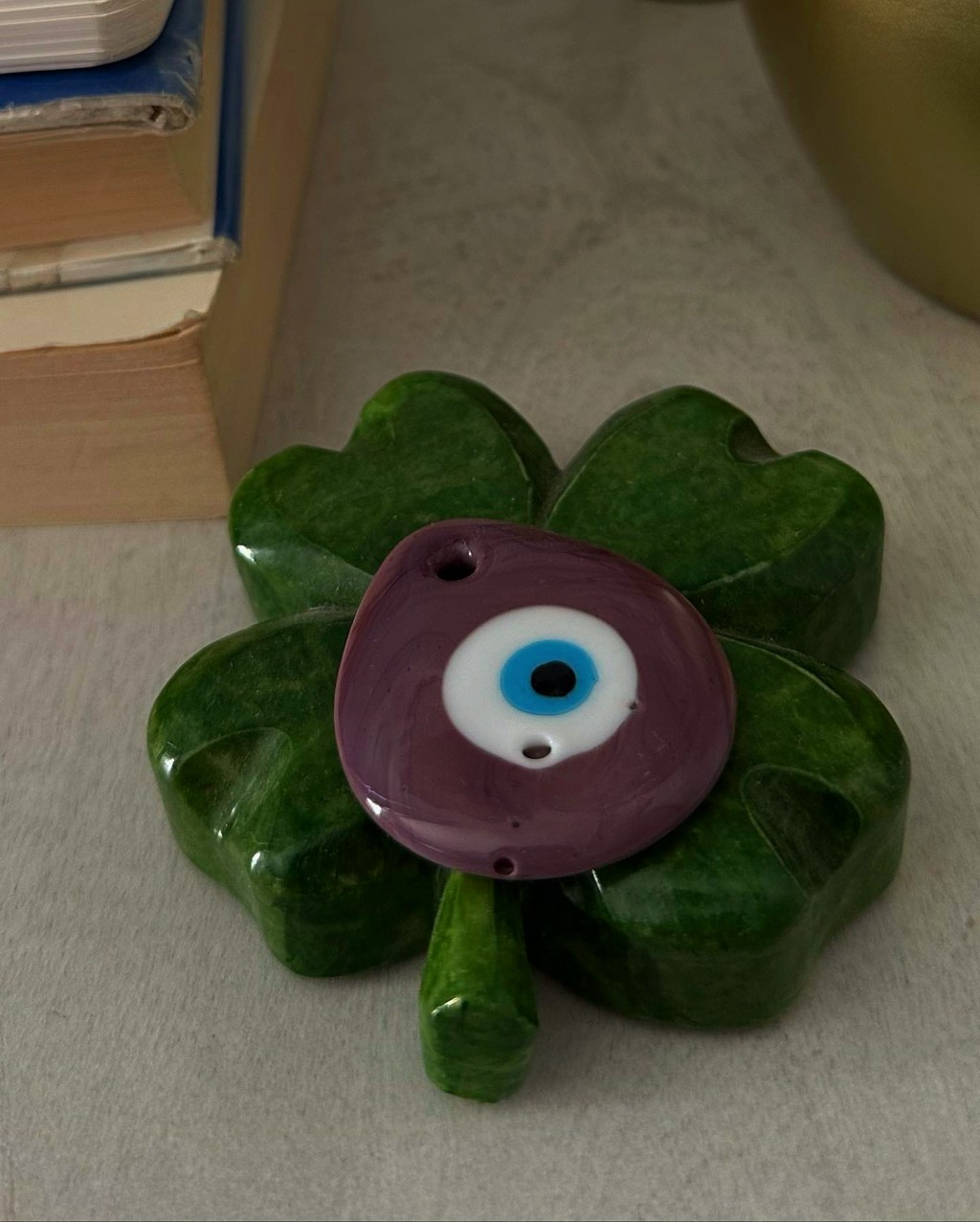

The concept of the Evil Eye is as ancient as it is widespread, transcending all borders and religions. Rooted in the belief that envy or malevolent gazes can cause harm, the amulet has been revered for millennia as a shield against negative energy. But what makes this symbol so enduring?
Origins
Archaeological evidence shows that the belief in the Evil Eye dates back as early as 5000 BC. Ancient Mesopotamian, Greek, and Roman civilizations all held the Evil Eye in high regard. Throughout history, the amulet was not just a protective charm but a spiritual artifact reflecting their understanding of the unseen forces that influence human lives. Across time, this belief spread globally, adapting to the customs of different regions while retaining its core purpose: protection.
Cultural Interpretations
From the Mediterranean to South America, the Evil Eye has taken on unique forms and meanings. In Albania, it is referred to as “syri i keq”. In Turkey, the “Nazar” is a ubiquitous talisman found in homes, vehicles, and jewelry. In Latin culture, the “mal de ojo” belief involves safeguarding loved ones, especially children, from harmful intentions. The eye’s rich history spans across almost all of the Middle East, West Asia, and Africa.
Despite the variations throughout many ethnic backgrounds, the shared belief underscores a universal truth: a multitude of diverse cultures recognize the impact of energy and intention—both good and bad.
The Evolution of the Eye
Traditionally, Evil Eye amulets are crafted in shades of blue, symbolizing water’s ability to absorb negativity and reflect tranquility. However, the modern reinterpretations of this ancient talisman are as eclectic as the people that embrace it.
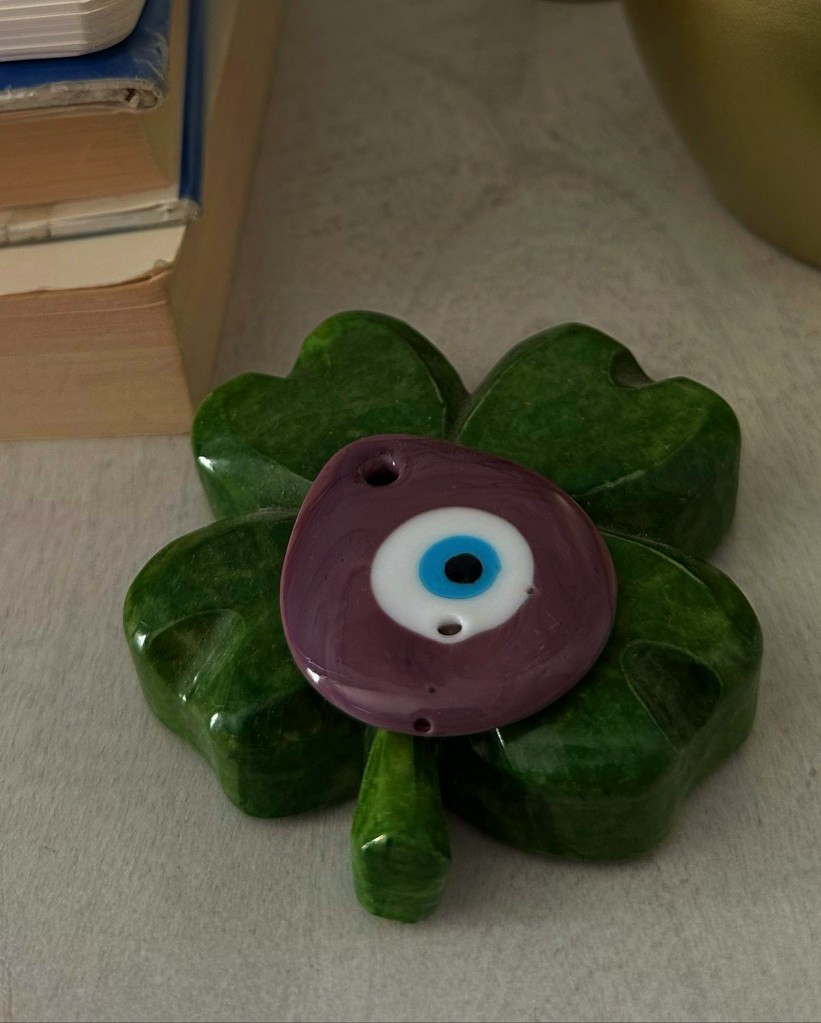
This evolution is how the purple amulet handmade by The Bali Collect stands apart.
Purple, historically associated with royalty, luxury, and spirituality, adds a layer of meaning to the traditional symbol. In ancient Phoenicia, purple dye—extracted from sea snails—was so rare and costly that it became synonymous with wealth and power. Its significance was immortalized in classic texts like Homer’s Iliad and Virgil’s Aeneid, further cementing its status as a color of reverence and distinction.
While blue Evil Eye amulets dominate, the choice of purple offers a fresh perspective. This unique interpretation symbolizes not just protection but also creativity, enlightenment, and self-expression. Purple’s connection to inspiration and rarity makes it an ideal color for those seeking a talisman that feels personal and meaningful.
Timeless Charm
The Evil Eye’s versatility is another factor in its enduring appeal. From intimate homes to sacred belongings, this amulet is more than just a decorative object. It is a daily reminder of the balance between positivity and negativity in our lives. Many believe that by absorbing bad energy, the Evil Eye helps maintain harmony and peace.
For skeptics, the amulet may serve as a cultural artifact or an artistic piece. For believers, it is a constant companion—a small but powerful shield against the unknown.
Envision it hanging in your car, adorning your keychain, or gracing your Christmas tree. Beyond its protective qualities, it becomes a statement of individuality.
Embrace Tradition with a Modern Touch
Whether you view the Evil Eye as a form of protection or a beautiful piece of art, its timeless appeal lies in its ability to adapt and remain relevant.
Explore the history, embrace the symbolism, and add a touch of modern elegance to your personal space. Curate Your Life on www.thebalicollect.com ʚɞ
 @thebalicollect
Leave a comment